 English
 Ελληνικά
 Русский
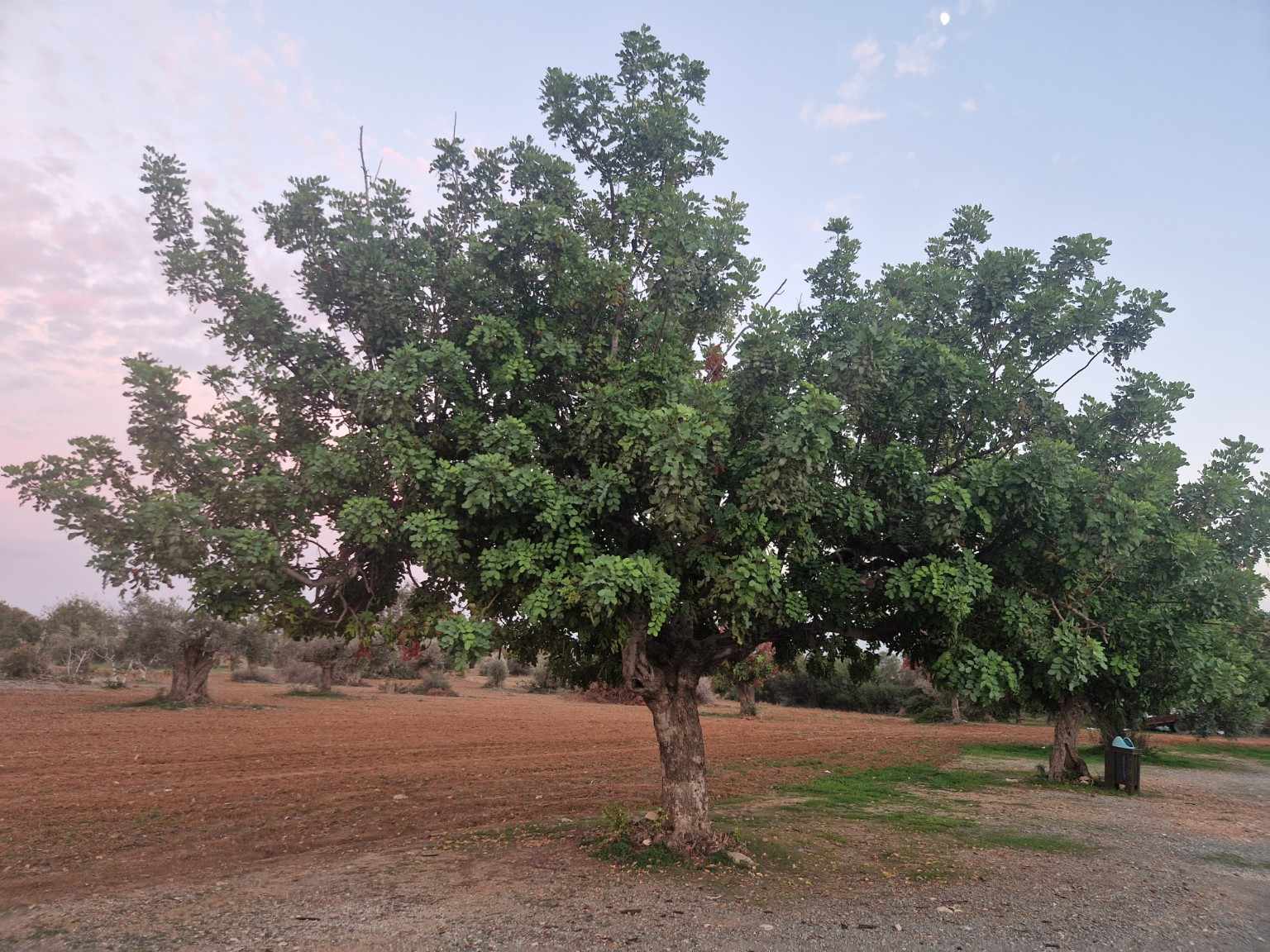
Carobs: Cyprus’ Black Gold Worth Rediscovering
The carob tree, its story and the many ways its fruit enriches Cypriot life.
Few sights feel as deeply Cypriot as a mature carob tree. With its generous shade and dark, curved pods, it has stood in our fields and villages for generations, linking the island’s landscape with the work, food and memories of its people.
Carob became known as Cyprus’ “black gold” because of the important role it once played in the island’s economy and exports. For generations, harvesting and processing supported rural communities. The harvested pods were processed into products still treasured today: carob syrup, pasteli, carob flour and other traditional foods. The cultivation, gathering and processing of carob remain a valued part of Cyprus’ intangible cultural heritage.
The carob tree itself deserves renewed appreciation. Adapted to the Mediterranean climate, it can grow with limited water and thrive in the conditions of our island. Its broad canopy offers welcome shade, while its hardiness makes it well suited to dry landscapes. At a time when drought is an ongoing challenge, the tree reminds us of the value of crops that belong naturally to this place.
Carob pods provide dietary fibre and polyphenols, as well as some minerals. Fibre is an important part of a balanced diet and supports normal digestion. Carob powder is often used as an alternative to cocoa; unlike cocoa, it contains no caffeine or theobromine and is naturally lower in fat. Its flavour is gently sweet and distinctive. Carob syrup, however, contains natural sugars, so it is best enjoyed in moderation. As with any food, the nutritional profile depends on the product and how it is processed.
Carob is wonderfully versatile: the pulp is used for flour and syrup, while carob seeds are also processed into locust bean gum, a thickener used in food production. In Cyprus, χαρουπόμελο and pasteli—especially the traditional treats of Anogyra—keep the fruit’s story alive in our kitchens.
From a simple drink to breads and desserts, carob brings a taste that is unmistakably Mediterranean. More than an ingredient, it tells the story of a Cyprus that knew how to use what the land offered. Let us give the carob tree and its products a place in our lives again—not only as a memory of the past, but as a living treasure of the Cypriot countryside.