
 English
 Ελληνικά
 Русский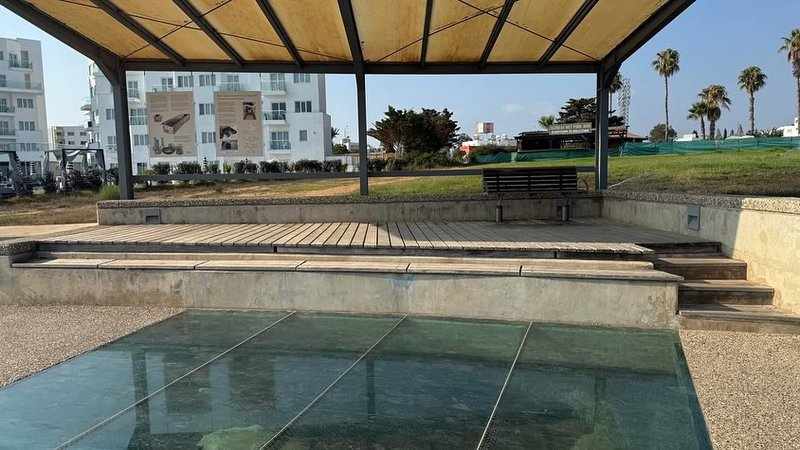
Tomb of the Queen – Protaras
A unique contrast between past and present!
On the seaside promenade of Protaras, just a short distance from the famous Fig Tree Bay, lies one of the most unique archaeological sites in the area: an ancient tomb from the Hellenistic–Roman period, widely known as the “Tomb of the Queen.”
This is a rare place where antiquity meets modern tourist life, creating a striking contrast between past and present along one of Cyprus’s most visited coastlines.
A Burial Monument of the Hellenistic–Roman Period
The tomb dates back to the Hellenistic and early Roman periods, when Cyprus was an important cultural and economic hub of the ancient Mediterranean world.
Such burial monuments were typically associated with wealthy families or local elites, which explains their more elaborate and monumental character compared to simpler graves of the same era.
Although it is known as the “Tomb of the Queen,” there is no historical evidence linking it to any royal figure. The name is popular and symbolic, inspired by the impressive and “royal” atmosphere of the site.
Architectural Features
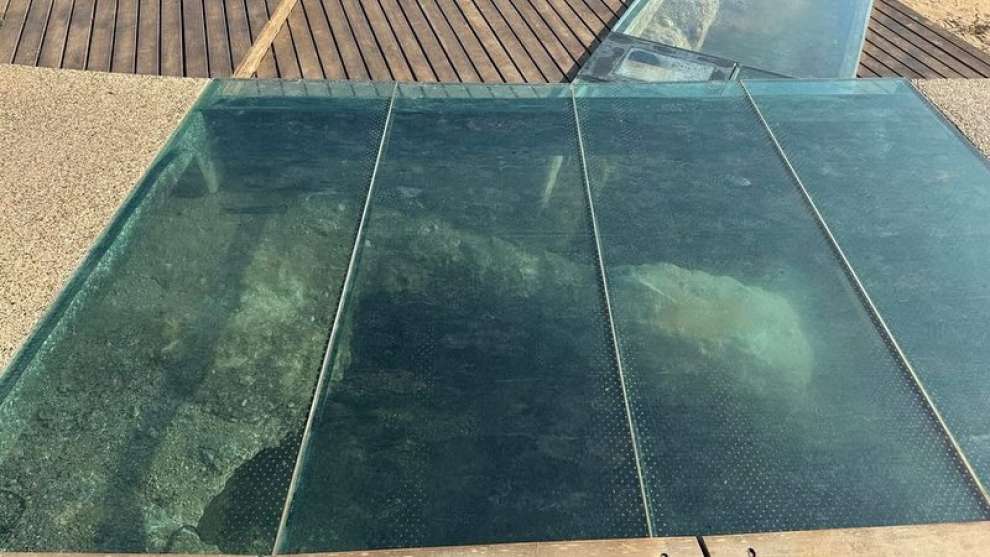
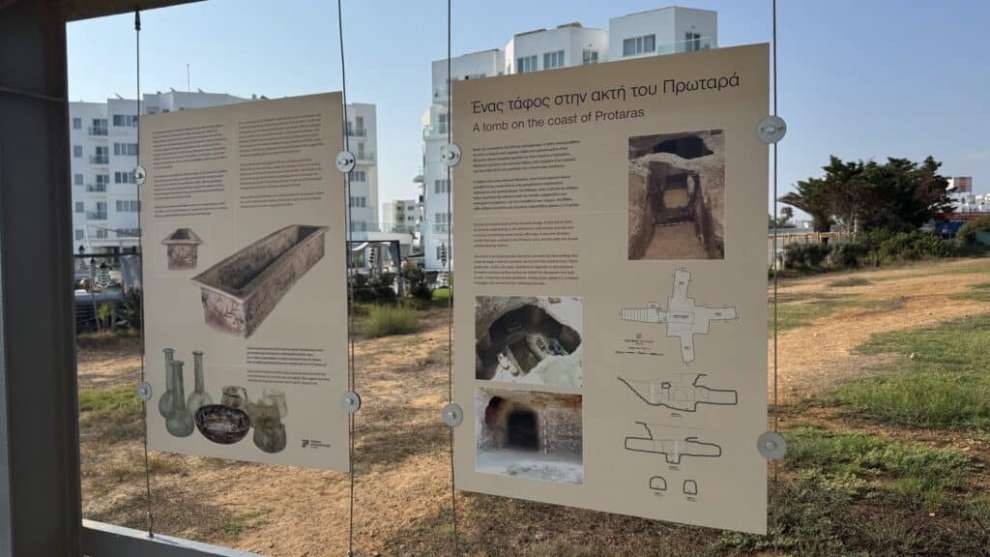
The tomb is carved into natural limestone bedrock and follows typical funerary architectural patterns of its time. It features:
- Underground rock-cut burial chambers
- A narrow entrance corridor carved into the rock
- Three raised platforms for burials (left, right, and front)
- Additional elongated burial niches at the rear of each platform
- A structured yet simple geometric layout
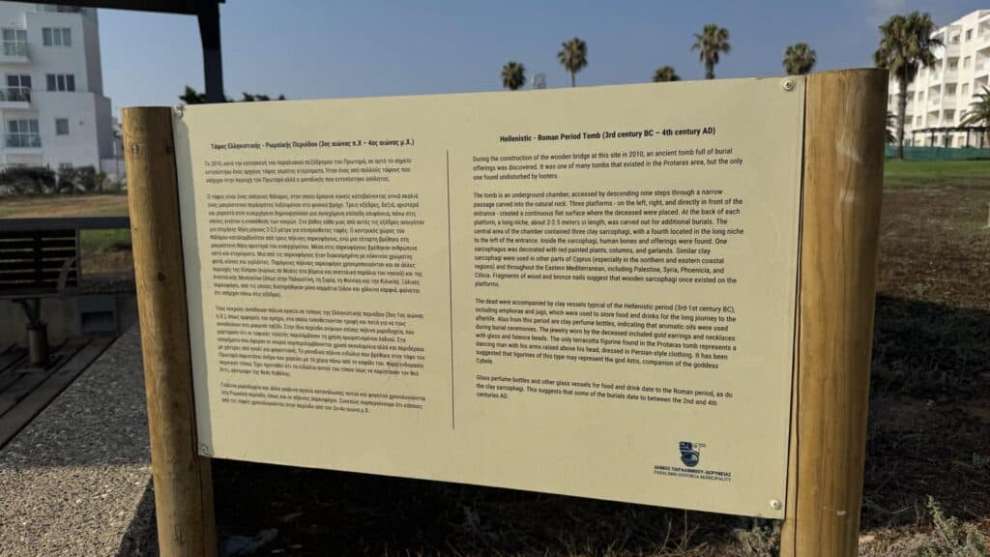
At the centre of the chamber, three clay sarcophagi were found, while a fourth was discovered in a side niche. Human remains and burial offerings were placed inside them.
Some sarcophagi were decorated with red-painted floral motifs, possibly garlands. Similar clay sarcophagi have been found in other parts of Cyprus and the wider Eastern Mediterranean, including Palestine, Syria, Phoenicia, and Cilicia.
Wooden coffins likely also existed on the platforms, as suggested by preserved wood fragments and metal nails.
Burial Goods and Rituals
The deceased were accompanied by a variety of grave goods, including pottery vessels from the Hellenistic period (3rd–1st century BC), used to store food and drink for the journey into the afterlife.
Other finds include:
- Small perfume containers (alabaster vessels)
- Jewellery such as gold earrings and glass bead bracelets
- Seals and jugs
- Glass vessels from the Roman period used for drinking and storage
- A unique clay figurine depicting a dancing male figure wearing Persian-style clothing
It has been suggested that such figurines may represent the god Attis, associated with the goddess Cybele.
These discoveries indicate that the tomb was used over a long period, with burials possibly continuing into the Roman era (2nd–4th century AD).
Location: Between Two Worlds
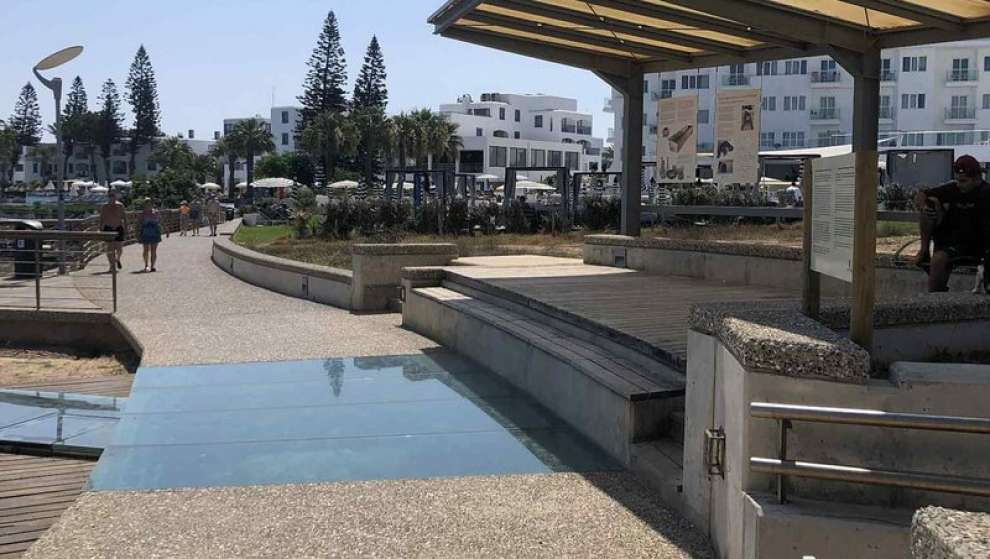
One of the most fascinating aspects of the site is its location. The tomb lies directly along the modern seaside promenade of Protaras, only steps away from one of Cyprus’s most popular beaches.
This creates a powerful contrast:
- On one side: a lively modern tourist destination
- On the other: a silent ancient burial site over 2,000 years old
Visiting the Site
The tomb is easily accessible on foot via the coastal promenade connecting Protaras with Fig Tree Bay.
Visitors often come across it unexpectedly while walking along the seafront. Although it is not a large or heavily promoted attraction, its true value lies in its historical significance and its unique integration into the modern coastal landscape.
 Original Article Posted by
Anna Maria
Original Article Posted by
Anna Maria