 English
 Ελληνικά
 Русский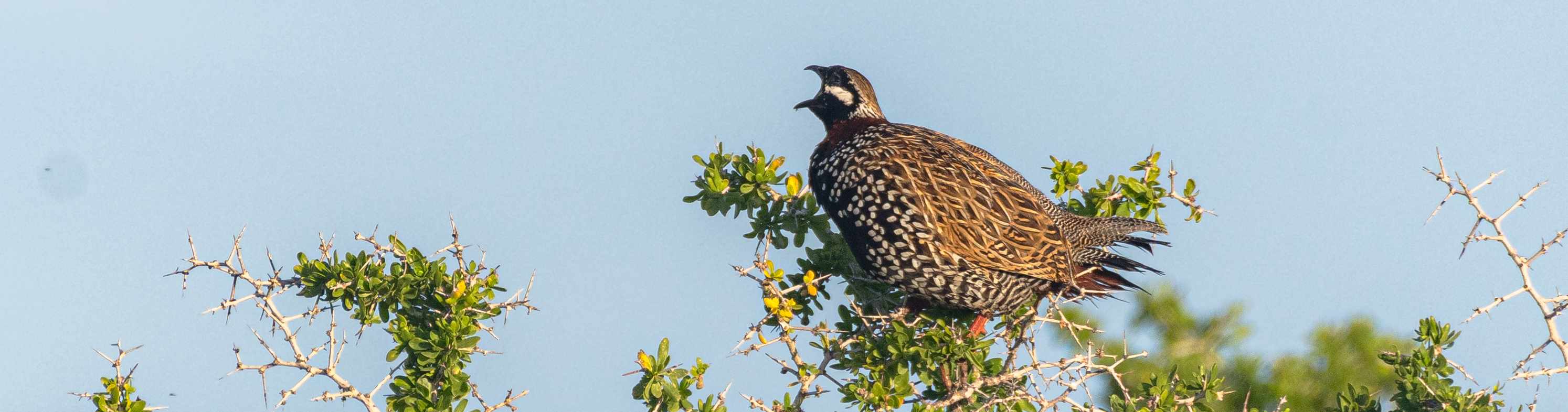
Birdwatching or Birding in Cyprus
Who are all these guys with the binoculars and the huge cameras
If you ask someone what Cyprus is, they’ll tell you:
- Beaches.
- Sun.
- Summer.
- Frappé.
But if one day you wake up at 5 in the morning and go to a salt lake…you’ll see a completely different country.
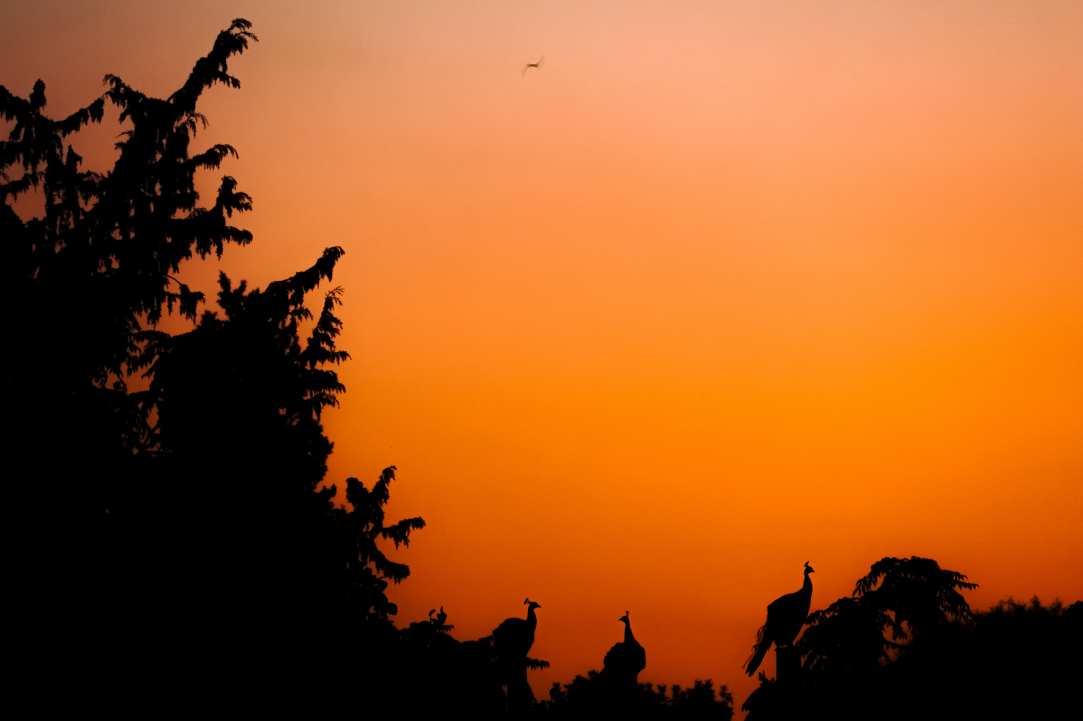
A purple sky slowly giving way to pink, and then to the orange of a freshly awakened sun. A deep silence, broken only by the first bird calls and the sound of wings cutting the air. Humidity that goes straight to your bones, just to make sure you stay awake. And then there’s that magical mist that makes everything look like a movie scene.
Welcome to the world of birdwatching.
So… what is birdwatching? Simply put? You watch birds.
You’ve been looking at birds your whole life - in your neighborhood, in parks, in backyards.
But now, you learn how to see them.
- Their behavior.
- Their patterns.
- Their habits.
- Even their ridiculous little arguments.
- Exploration.
- Patience.
- Silence.
- Focus.
A strange kind of meditation.
- You sit.
- You wait.
- You listen.
- You observe.
And suddenly, you start noticing things you’ve ignored for years.
Movement in the reeds.
Shadows crossing the sky.
Sounds you never really heard before.
Your mind slows down.
And that alone becomes addictive.
It’s not as “weird” a hobby as you think
For years, there was the classic stereotype:
- British retirees.
- A hat.
- Shorts.
- Binoculars around the neck.
- A checklist of species in hand.
And yes — they still exist.
And honestly, thanks to them, the hobby grew.
In the UK and Germany alone, millions of people actively practice birdwatching.
There are clubs, festivals, organized tours, even travel packages dedicated only to birds.
But things have changed.
Now you see:
People in their mid-20s with cameras.
Couples.
Guys with tattoos and binoculars.
Birding became… cool.
Less “retirement hobby”, more adventure.
In Greece and Cyprus especially, over the last few years, Facebook groups and communities have exploded.
Thousands of members sharing photos, rare sightings, locations.
It’s slowly becoming a culture.
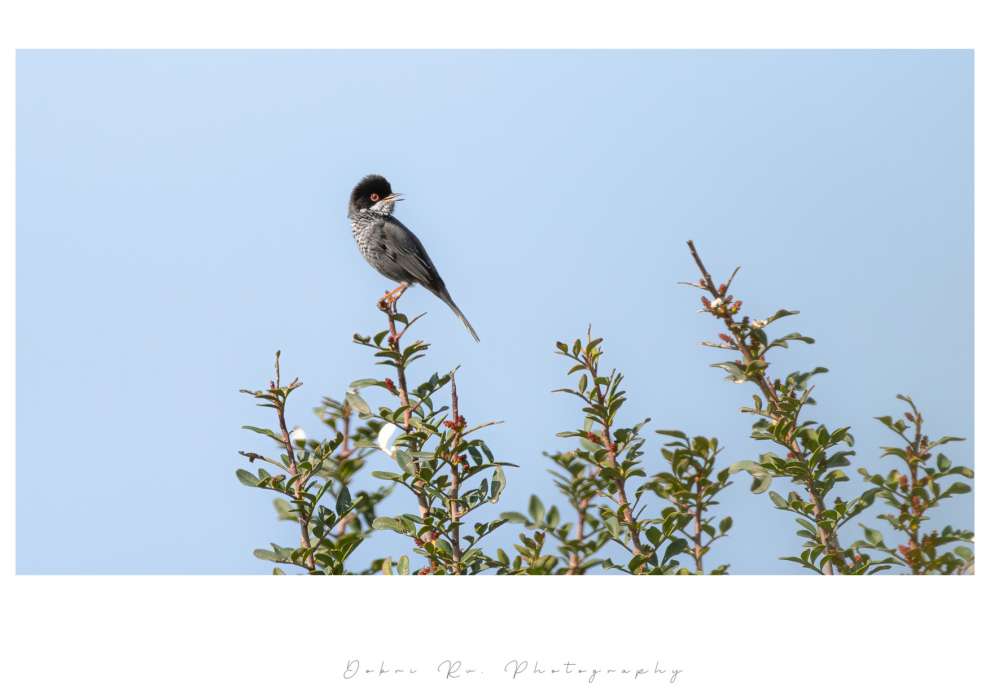
And why is Cyprus so important?
Because we sit right on an… air highway.
Cyprus lies exactly between Europe, Asia, and Africa.
Which means that every spring and autumn,
millions of migratory birds pass through here.
We’re talking about over 400 recorded species.
For birders from abroad, this is gold.
That’s why people come here just for:
- Akrotiri.
- Oroklini.
- Cape Greco.
- Akamas.
- Paralimni Lake.
And this kind of tourism is different.
Small hotels.
Local cafés.
Car rentals.
Local guides.
Quiet, ecological tourism.
More human.
More respectful.
A win–win.
But it’s not all perfect
Let’s be honest.
Illegal trapping and poaching still exist.
Old habits that, unfortunately, haven’t completely disappeared.
Organizations like BirdLife Cyprus, Terra Cypria, CABS, and international groups are constantly fighting for protection.
The good news?
The new generation is changing things.
Fewer guns.
More cameras.
More photographers.
More awareness.
And some of them are seriously “addicted” - in the best way.
Like the guy I recently met.
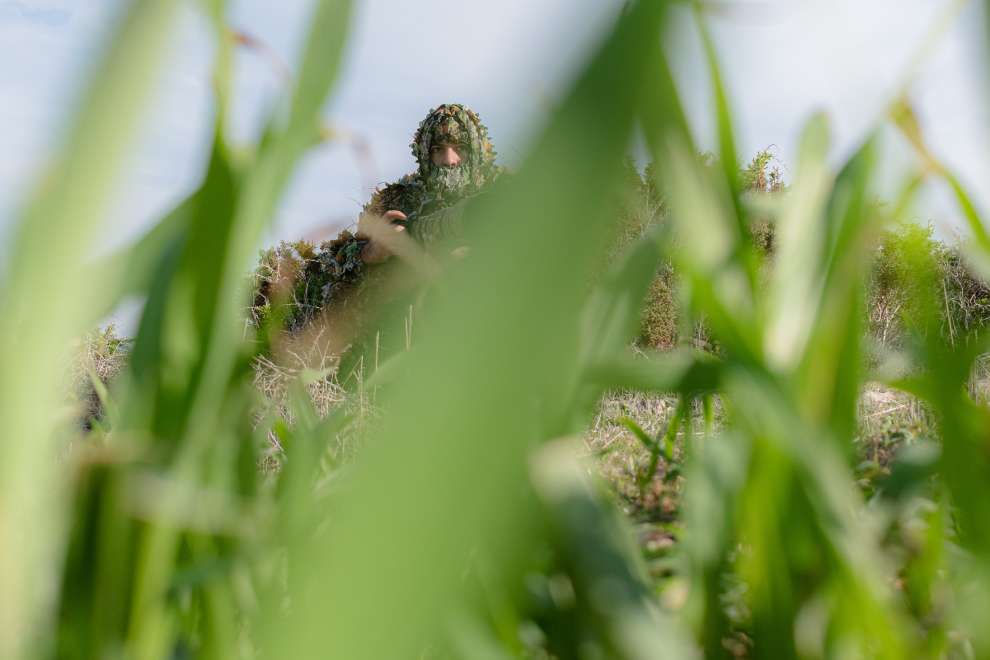
This is where I met '' Birding Rebel ''
Meeting point: 5:10 a.m.
Darkness.
Me, holding a coffee, trying to function.
Him, already ready.
Quiet guy.
Low profile.
Just someone who likes getting lost in nature.
Our conversation
We walk toward the lake.
How did it all start?
BR:
I was always into photography. Since I was young. Mostly street photography.
Honestly, I don’t remember everything clearly. I went through a difficult period in my life, and when I was trying to “walk again”, I was looking for motivation.
I started noticing the colors of dawn.
Listening to the sounds around me.
I stepped away from people.
I found myself.
And I found birds.
What draws you to it?
BR:
Birds don’t judge you.
They force you to do something we’ve forgotten: wait.
To listen.
To observe.
To live in the moment.
Suddenly I discovered a magical world that felt like only I could see it.
I think that’s what hooked me.
It was my escape.
It still is.
From life as it is now - the noise, the rush, the constant pressure.
This… this is my pause.
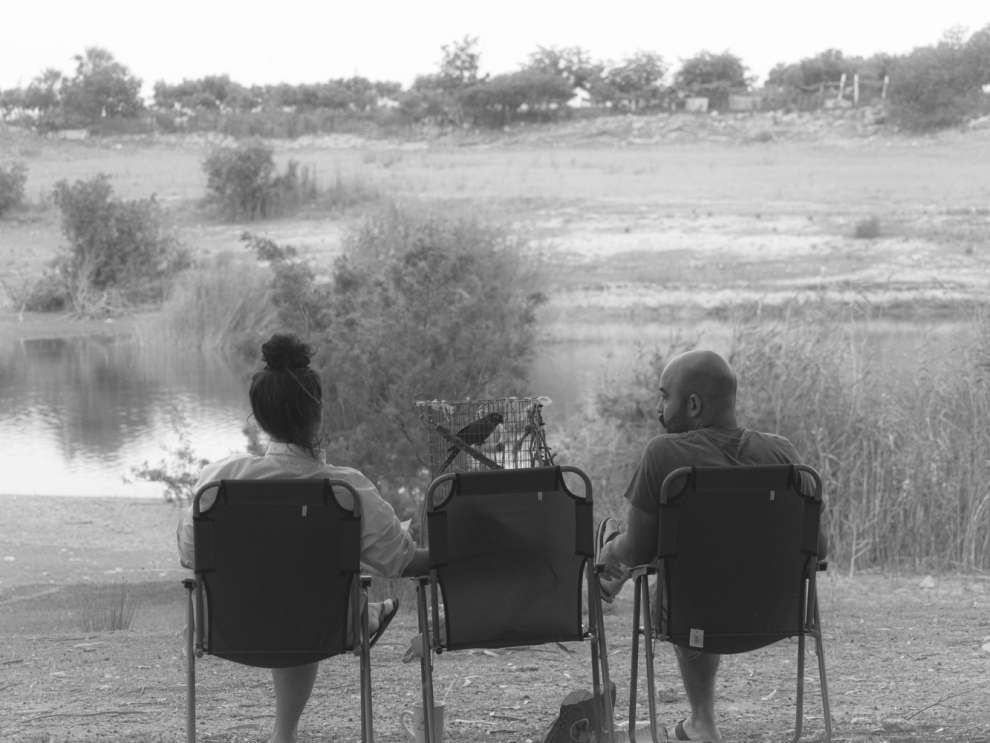
His crew
He’s not always alone.
Sometimes it feels like a mini expedition.
His partner in the passenger seat, acting as spotter, eyes glued outside:
“Left! Left! On the pole! STOP!”
Classic car moment.
And the funniest part?
Their parrot goes everywhere with them.
Road trips.
Hides.
Fields.
Lakes.
Like a tiny feathered mascot.
A bit chaotic, a bit funny- but also kind of amazing.
Like a family outing…
just instead of a picnic, they chase birds with binoculars and lenses.
The hard part
What’s the toughest thing about it?
BR:
Driving at 3–4 a.m. to be somewhere before dawn.
Sleeping in the car.
Hiding in a tent with 100% humidity.
Rain. Mud.
Waiting endless hours for that bird to land on that branch — and then going home empty-handed.
Or worse… still having to do grocery shopping on the way back, while your mind is still in the forest.
Then he laughs.
BR:
I’ve been stuck in mud so many times I lost count.
Once I fell into a huge hole at a construction site near Paralimni Lake.
One of those moments where you go,
“Seriously… where were you looking? At the birds?”
(We both laugh.)
€400 to the mechanic.
My wife wanted to kill me.
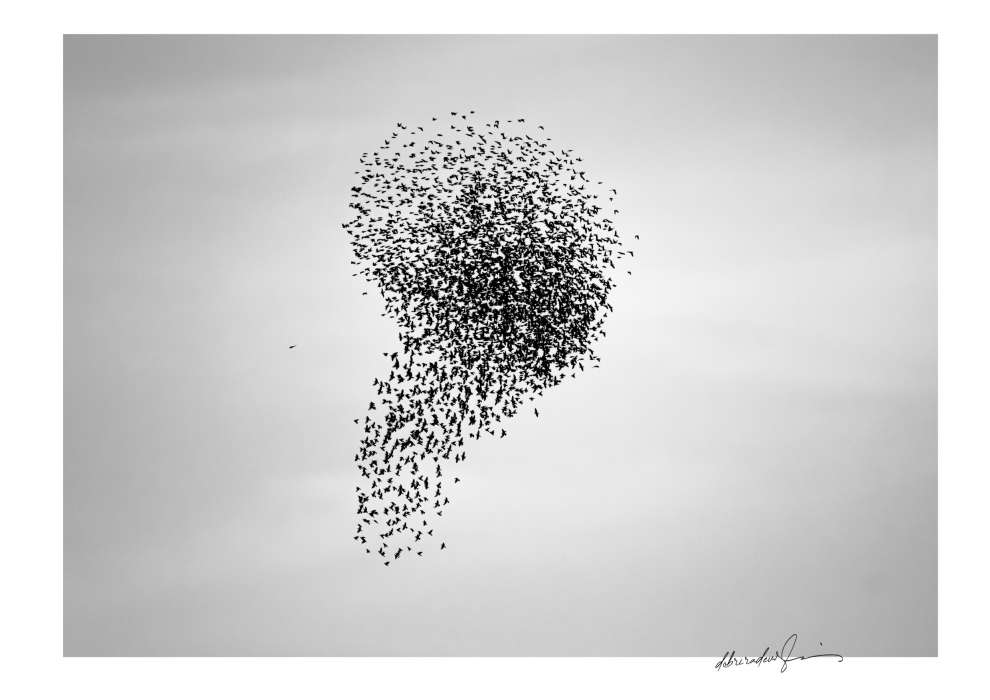
Would you do it professionally?
BR:
I’d love to. Not for fame.
Just to be able to pay for my gear and travel.
He laughs again.
BR:
Every time I say “I need a new lens”, it turns into a family council meeting.
I even borrowed money to buy my 500mm lens.
Found a great deal - still broke.
Thank God for my best man.
Gear
What does someone need to start?
He looks at me seriously.
BR:
Passion.
Coffee.
And a lot of patience.
Nothing else.
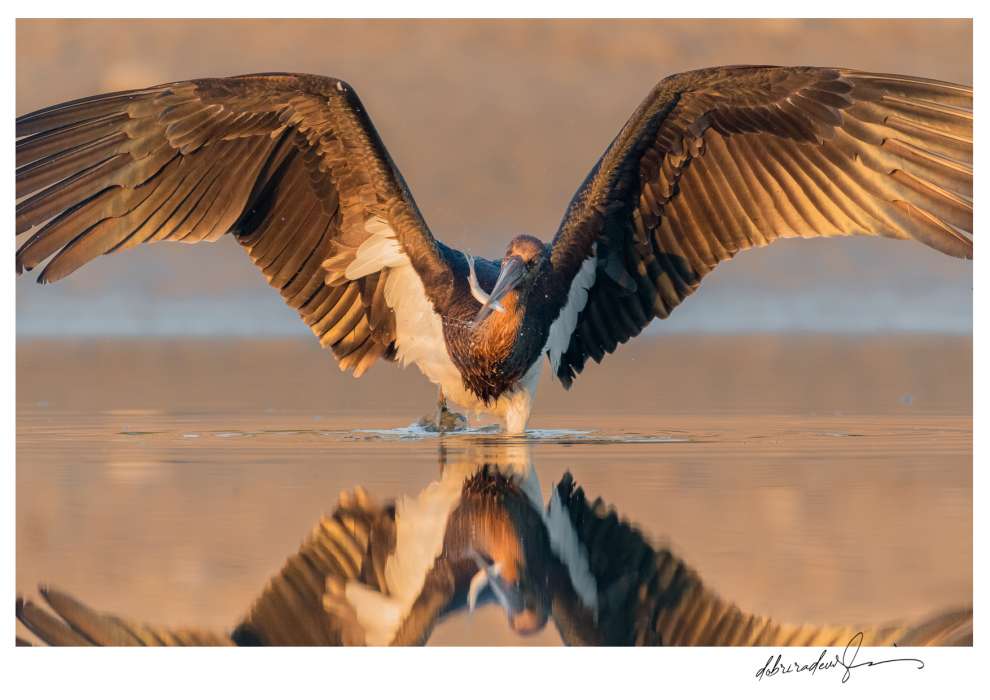
Whoever waits longer, sees more.
Your photos and videos - do you keep them private?
BR:
There’s a big community.
Biodiversity of Cyprus, BirdLife Cyprus, Birds of Cyprus, Wildlife in Greece… Facebook groups.
We share photos, knowledge, observations.
We learn from each other.
I’d love to do an exhibition one day.
Show people how many rare species pass through this island without anyone noticing.
There’s a whole hidden world out there.
So you’re active on social media?
BR:
My least favorite part.
I hate phones. They pull you away from the moment - from life itself.
But it’s a necessary evil.
The only way to share your work.
Thankfully my wife helps.
I’m bad at playing the game - sometimes I get myself into trouble.
If it wasn’t for her…
I get it. Modern plague. So you’re in fields and forests all day?
BR:
(Ironic laugh) I wish.
A big part of my time is spent at a desk.
These photos and videos take a lot of work on the computer.
Everything on my YouTube channel takes hours — even if it doesn’t look like it.
I want people to feel what it takes to get a photo.
That’s why I show the behind-the-scenes. https://youtu.be/EeQtZBuTZp4?si=9Dsd6t27vt4RbUxo
What do you want to achieve with your videos?
To show what a nature photographer actually goes through.
The beauty.
The unexpected encounters.
The spontaneous excitement.
But also the hard parts.
The endless walking.
Waiting in tall grass.
Your back hurting after lying flat for hours holding a camera.
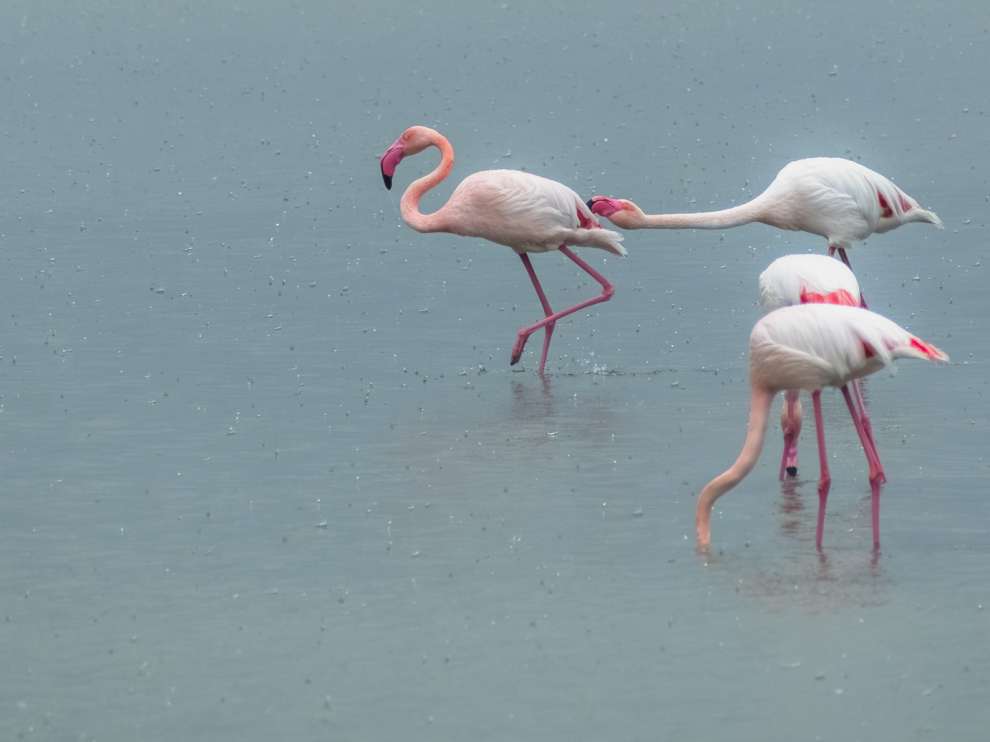
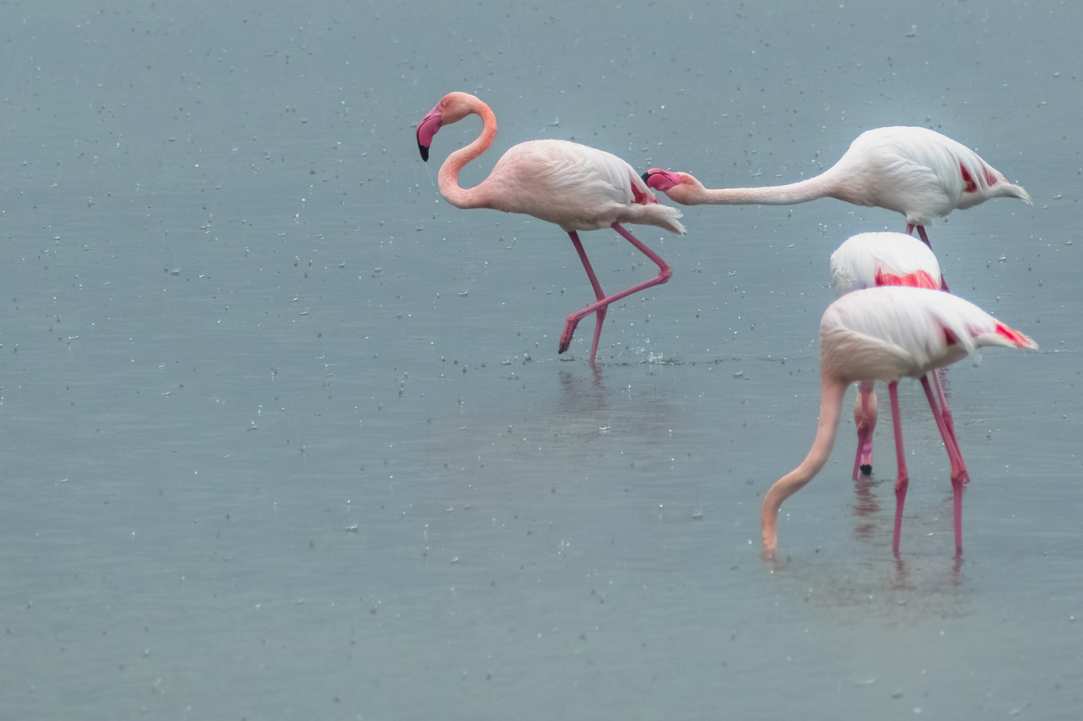
Crawling through reeds just to get a bit closer to a flamingo — without affecting its behavior.
So what’s the rule?
BR:
You don’t disturb. Ever.
There’s an unwritten code.
Respect above all.
You keep your distance.
If the bird looks stressed, you’re too close.
You don’t flush birds for the “perfect” shot.
That’s beginner behavior — we’ve all been there.
If the bird flies because of you, you lost.
You become invisible.
Low voice.
Slow movements.
No nests.
No trampling reeds.
No trash. No cigarette butts. Nothing.
You leave the place exactly as you found it.
Like you were never there.
Sounds more like a life philosophy than a hobby.
BR:
It is.
You’re entering someone else’s home.
It’s not yours.
We’re the guests.
Birds are the residents.
Respect. Always.
Do you have a dream?
BR:
Other than National Geographic calling me?
(laughter)
Yeah.
I want this country to wake up and realize what it has.
The new generation especially.
Instead of teaching kids how to hold a shotgun,
give them a camera.
A book.
If I know I’ve placed even a tiny stone toward that…
I’m happy.
The importance of recording & rings
Why is recording birds so important?
BR:
Because we’re not just observers — we’re eyes for science.
Where you saw it.
When.
How many.
That data matters.
It shows migration patterns, population changes, climate impact.
Small actions — multiplied by thousands — become powerful.
And what about ringed birds?
You spot a tiny ring with a code.
That bird has a story.
Maybe it was ringed in Sweden or Poland and made it to Cyprus.
A 20-gram creature traveling thousands of kilometers.
If I can, I photograph the ring or note the code and send it to BirdLife or ringing programs.
It completes a piece of a massive migration map.
So no — it’s not just photos.
It’s contribution.
Finally…
As we’re leaving, I ask him:
“Is all this really worth it? The early mornings, the long drives, dragging yourself through the mud?”
He looks at the lake.
A flamingo takes off.
BR:
“For you it’s hardship… for me it’s oxygen.
Maybe you should try it too.”
In the end
Cyprus isn’t just the beaches and the summers we all know.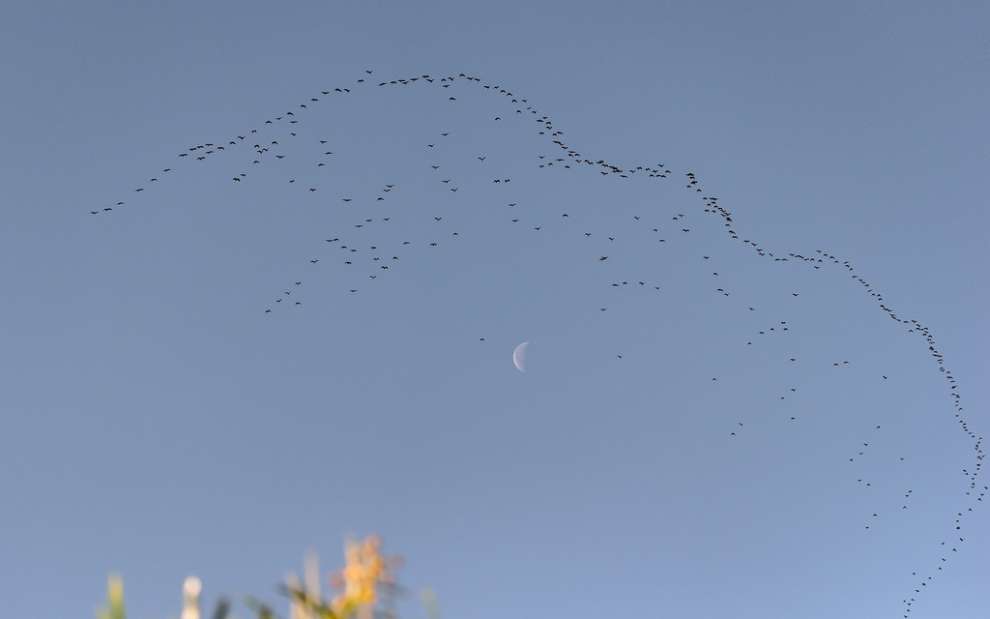
It’s also these quiet dawns by the lakes.
The reeds moving with the wind.
The shadows passing over your head that you never even noticed before.
It’s an island that millions of birds use as a stopover on the biggest journey of their lives — and most of the time, we don’t even realise it.
Birdwatching isn’t something complicated or “just for experts.”
You don’t need expensive gear or biology knowledge.
All it takes is slowing down a little.
Stopping.
Looking around you.
Maybe that’s the real point after all.
In a world that’s constantly rushing, birds teach you how to wait.
And sometimes, that waiting is exactly what we need.
So next time you pass by a lake or a field early in the morning… don’t rush away.
Stay for a while.
You might just see a bird.
Or you might see Cyprus — and yourself — in a completely different way.
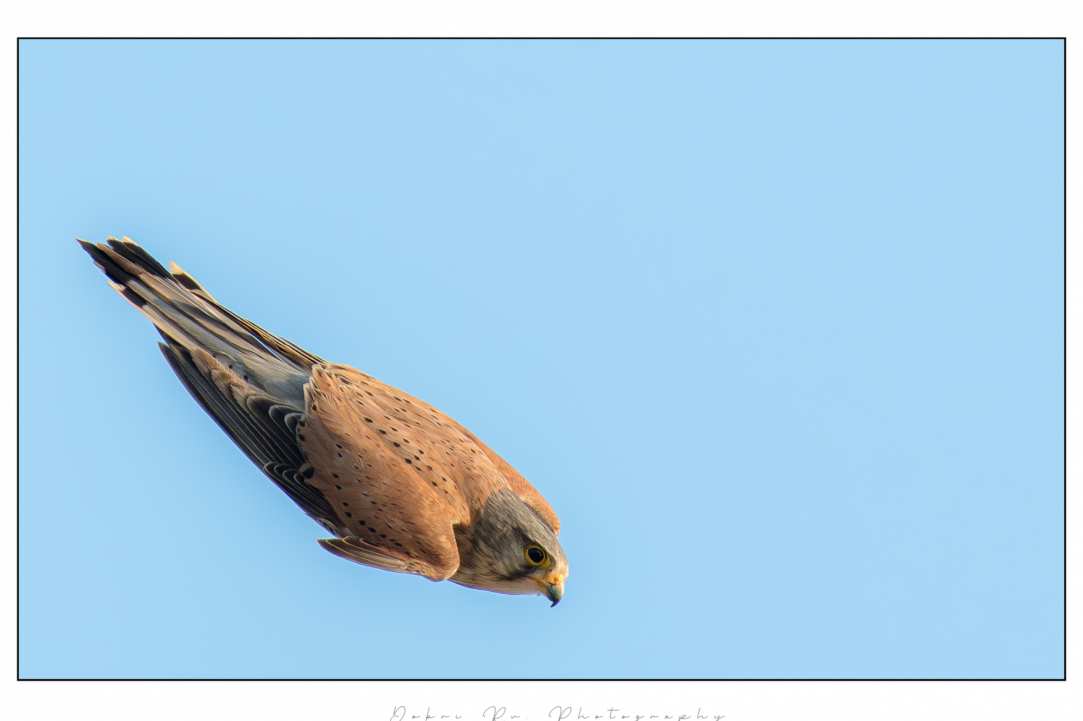
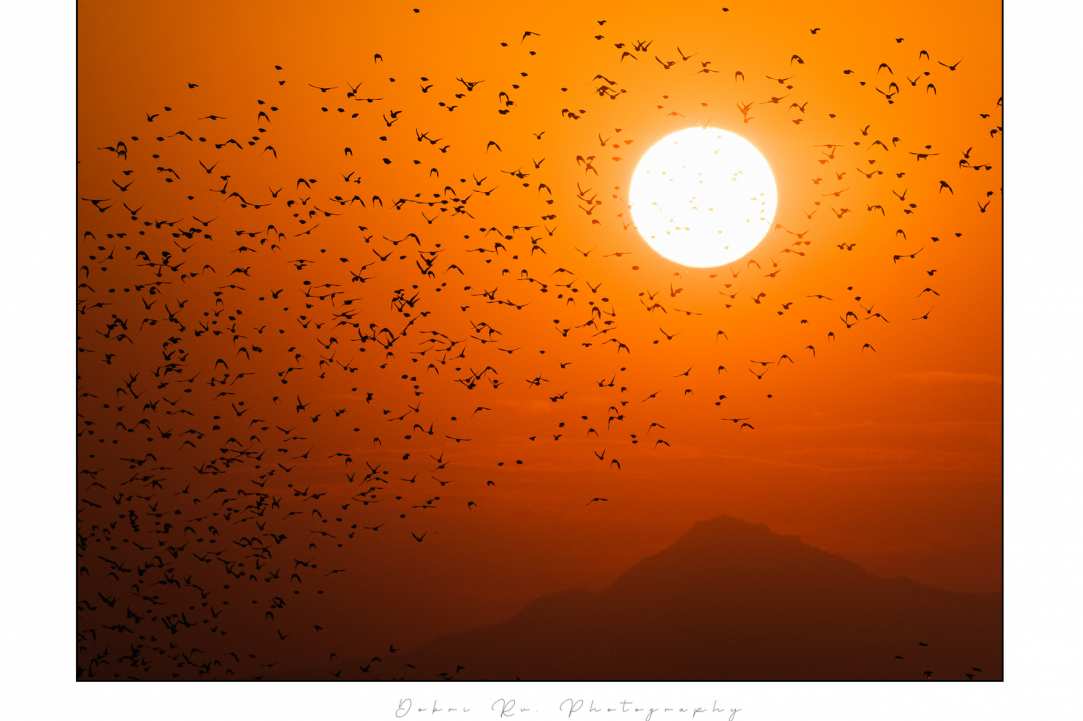
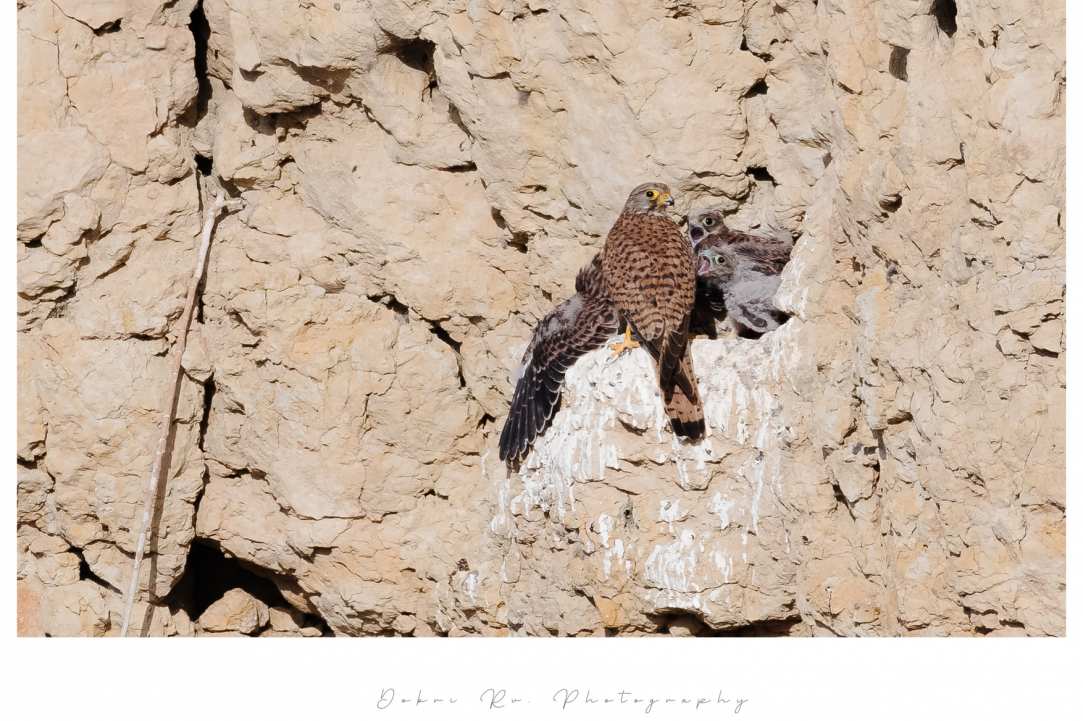
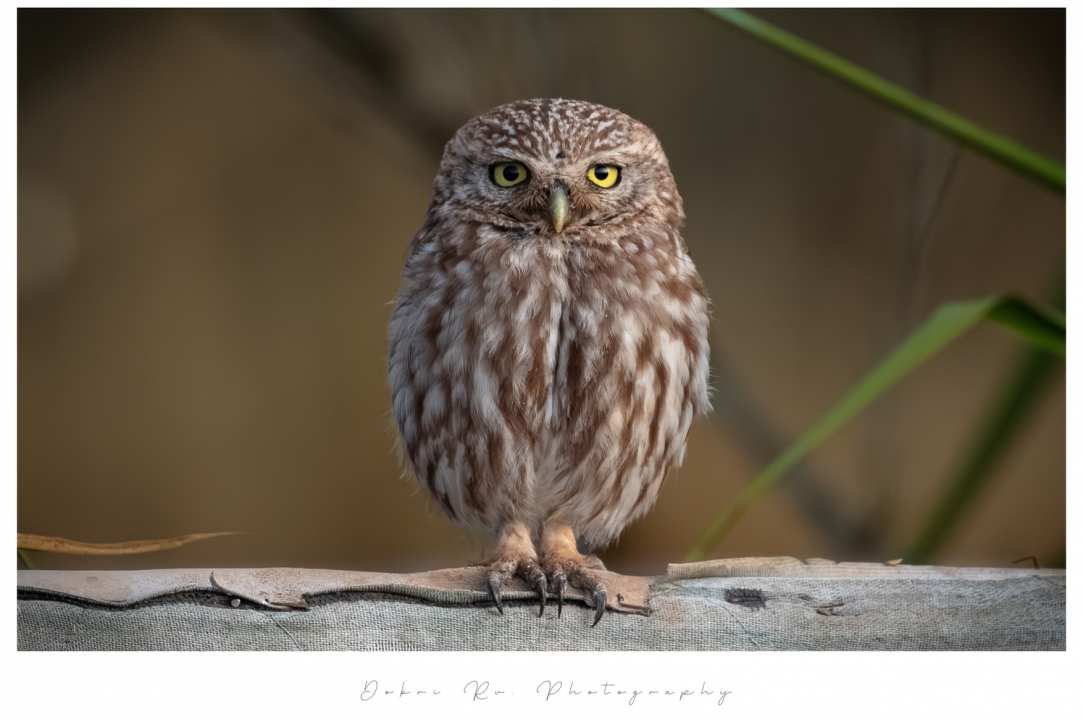
Birding Rebel YouTube channel
 Posted by
Lazaros Lazos
Posted by
Lazaros Lazos